

We have already learned how every part of us has its own story, job, and purpose. But some parts take on way more emotional baggage than others. In Internal Family Systems (IFS), that emotional baggage often results in a Burden that is being carried by that part on behalf of our entire system. Let’s take a quick look at what Burdens are in IFS, where they come from, and how they affect our inner world.
So, What Are Burdens in IFS?
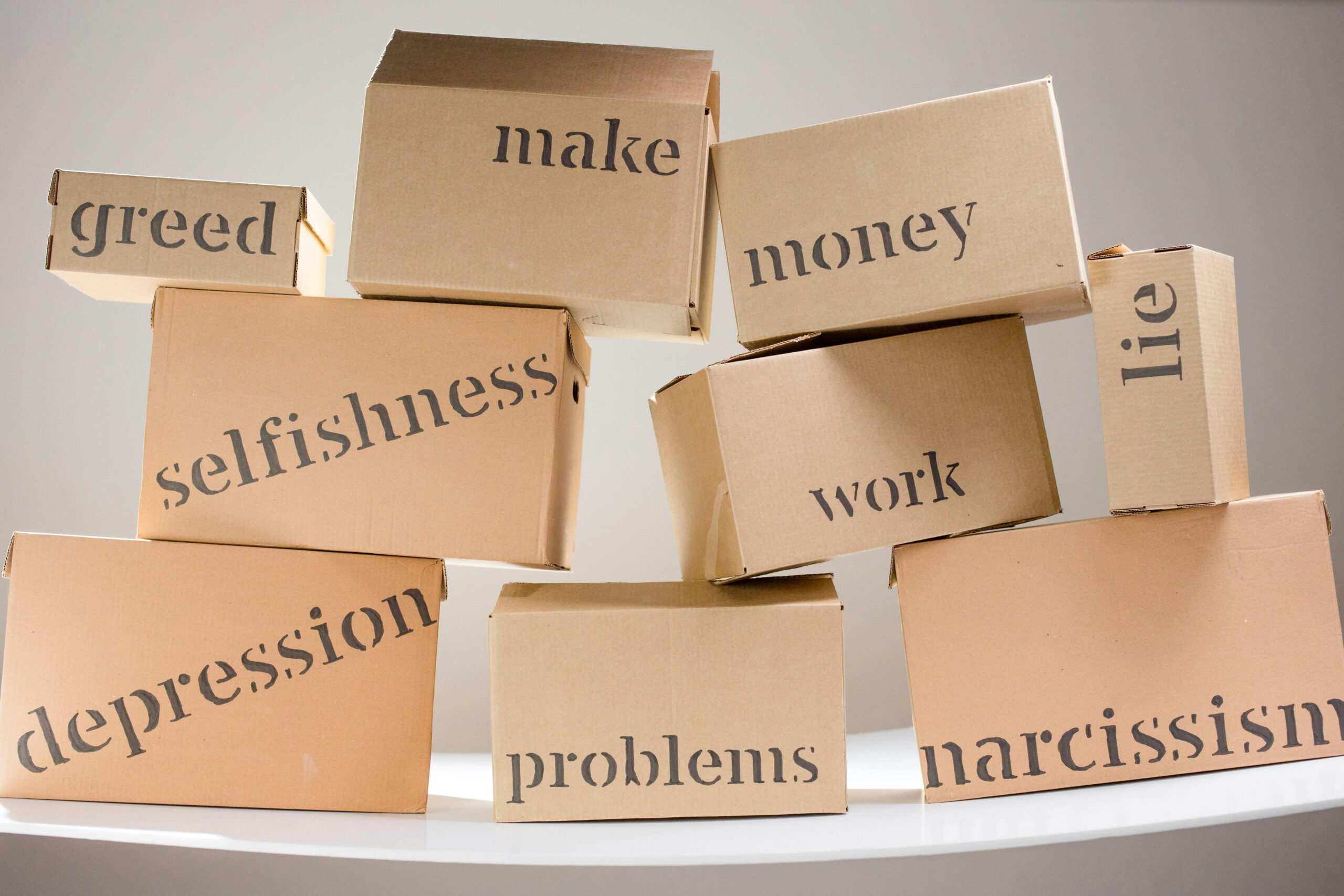
Burdens are the emotional, mental, or behavioral stuff that different parts of us carry from past experiences. They’re not really part of those parts themselves but instead come from things that happen in life, relationships, or even cultural vibes.
Burdens can show up in all sorts of ways, like:
- Beliefs: “I’m not good enough,” “I’m unlovable,” or “The world’s a scary place.”
- Emotions: Chronic feelings of shame, fear, anger, or sadness.
- Behaviors: Things like avoiding stuff, being a perfectionist, or self-sabotage.
In IFS, Burdens are seen as something separate from the parts that hold them. That’s super-duper important because it means those parts can let go of their Burdens and go back to being their natural, healthy selves.
Types of Burdens
Everybody’s Burdens are unique, but they usually fit into two main groups:
1. Personal Burdens: These are tied to your own experiences, like having a fear of being left behind because of a loss when you were a kid or feeling not good enough because of constant criticism.
2. Legacy Burdens: These begin with your family, culture, or society. Think of things like perfectionism that stems from a pressure to perform academically or societal pressures about gender roles.
How’d We Pick Up These Burdens Anyway?
You know, we all tend to carry some heavy baggage sometimes, and there are a few reasons for that:
1. Traumatic Experiences
When we go through a personal trauma, we might end up taking on some heavy emotional loads just to cope. For example, a kid who feels left out might start believing they’re not worthy of love.
2. Cultural or Familial Conditioning
The expectations from society or our families can really weigh us down too. This might mean feeling like we have to be perfect, hide our feelings, or fit into specific roles.
3. Intergenerational Trauma
Some of those burdens actually get passed down from our families—like old pain or unhelpful habits that linger with us.
4. Misinterpretation of Events
As kids, we sometimes misinterpret situations and think we’re responsible for things we simply can’t control. Like, a child whose parents divorce might end up feeling guilty, thinking they had a part in it.
How Burdens Impact the System
Burdens affect the parts of us that are carrying them, messing with how they act and how they get along with everything else in our lives.

- Exiles tend to carry the heaviest Burdens, like deep shame or grief, making them super vulnerable and easily triggered.
- Managers can take on the Burdens of being perfect or “in control” to keep the Exiles’ pain from coming up.
- Firefighters might deal with their Burdens by turning to things like substance use or going overboard to shut down the Exiles’ distress.
When parts are weighed down, they can act really extreme to protect themselves/us, leading to behaviors that can feel pretty limiting or destructive.
Last, but not Least!
Burdens aren’t flaws or weaknesses; they’re just the heavy stuff from our past that parts of us hold onto to keep us safe. Through IFS, we can spot, understand, and let go of these Burdens, allowing us to live more authentically and with less stress.
Next up: Let’s check out how we can help our parts release these burdens!

Leave a Reply